


Flight School Cost vs. Value: It’s Choice, at the Right Price
Flight schools love the word “value.” Some flaunt low instruction prices, others a shiny fleet, and still others ultra-condensed timelines. But real value isn’t their slogan, or even their price, it’s your choice. Knowing what matters, recognizing it when you see it, and paying the right price for training that fits you: these add up to actual value. Translated: you, not the flight school salesperson, are the best evaluator of value.
Deciding what is valuable isn’t about the cheapest website number. It’s about finding a program that respects your time, builds real skill, and backs the future you’re chasing. The sections below arm you to evaluate what is valuable in a pilot training program with confidence. Additionally, if you’re ready to visit a flight school now, check out the end of this article for a printable/digitally fillable checklist to take along on your tour.
Time Use: Your Time Has Real Worth
When you reserve an airplane, your expectation is simple: you want to fly. If an aircraft goes down for maintenance, a schedule gets bumped, or there just isn’t anything available when you’re free; you end up paying in more than dollars. You’ve lost time you could have spent at work, in class, or enjoying life. You’ve lost continuity in your training. And if too much time passes between lessons, you may have to relearn skills, causing you to pay for extra hours needlessly.
High-value training treats your time like it’s just as important as your money. That means having the support of an A&P/IA-led maintenance program designed to keep aircraft flying, so when you book a lesson you can reasonably expect to fly (weather permitting, of course). When touring schools, ask: 1) how far ahead can you schedule and book reliably, and 2) how often do students wait for the aircraft they need. A school that values your time will have clear answers.
Scheduling Fit: Training That Works With Your Life
Flight training doesn’t happen in a vacuum. Most students juggle work, school, family, or all three. A program that only works if you drop everything for months might look good on paper but won’t fit real life. Value shows up in how well a school’s options match your reality.
Some schools run rigid schedules with no room for illness, travel, or surprises. Others let you train at your own pace with a clear syllabus to keep you on track. During discussion, ask: 3) do they support flexibility for students (mornings, evenings or weekend instruction), and 4) what is the process for changes in schedule, cancelations or missed lessons for illness or emergency? You’ll find genuine advantage in training that’s built around your life, not the other way around.
Aircraft & Fleet: Availability and Design
It’s one thing to see airplanes on a website. It’s another to have them ready when you are. Availability drives how fast you progress and the ease at which you do. If you’re waiting for a specific model or competing with renters, training can slow to a crawl making you wish you’d spent more time investigating.
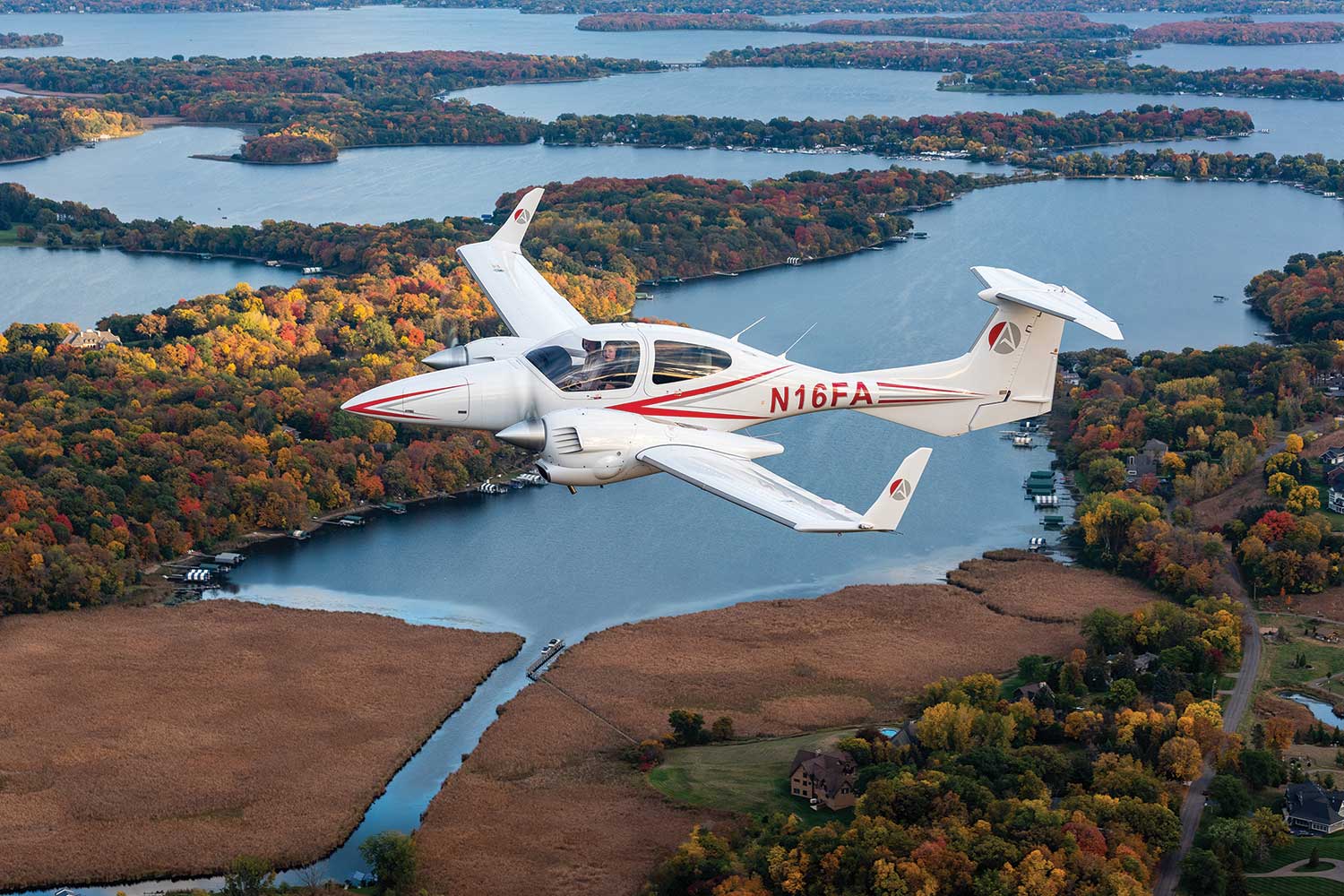
Smart schools build a consistent, class-appropriate and homogenous training fleet—same make and model, similar avionics—so your training builds progressively without switch-ups. You build comfort and confidence instead of starting over. When checking out the aircraft, ask: 5) if the training fleet stays student-only, and 6) whether you’ll fly the same type of aircraft throughout your training. Assess for genuine advantage here by understanding the aircraft and how the fleet design supports your instruction process.
Safety & Reliability: Maintenance You Can Count On
You can’t spot maintenance quality with a quick walkaround, but it shapes your whole experience. Schools that run proactive inspections and use new parts prioritize reliability and safety. That means fewer cancellations and gear you can trust every time.
Some pilot training programs are supported by maintenance plans that stick to the bare minimum, stretching old or refurbished parts until they snap. Others do progressive inspections every 50 flight hours, like six annuals a year, fixing issues before they ground you. In discussing safety, ask: 7) what is the aircraft inspection frequency and repair turnaround, and 8) how often are the aircraft you want to fly found to be unavailable causing cancellations? Their answers reveal how much the flight school values both your safety and your schedule.
Technology: Training on Modern Avionics
Glass panel and integrated flight navigation systems like Garmin G1000 aren’t extras anymore, they’re standard in pro aviation. Starting there builds the skills and systems knowledge you’ll use long-term, without later transitions from steam gauges.
Some schools lean on old six-packs with glass limited to just a few planes. Others equip primary training aircraft with glass panel navigation from day one. You won’t see each aircraft in the fleet when you tour, so ask: 9) how many aircraft have glass panel avionics, and 10) how consistently do students actually fly them? If you’re aiming professional, matching industry tech now is value that pays off fast and far into your future.
Training Path: Part 61 and Part 141 Options
Each pilot learns and lives differently, and pilot training programs are different too. Some pilots thrive on and need structured timelines; others desire flexibility around work, school or other life events. The best schools offer both FAA Part 141 (syllabus-driven, potentially faster) and Part 61 (self-paced) paths.
When you tour, arrive prepared with a little understanding of each of these pathways, and then ask 11) which program is available at the flight school, and 12) how can training be adapted if needs change during your training. Value in training path means having options that match your goals and potential life events, not just one-size-fits-all.
Pricing: Clear, Fair, and Student-Centered
Hourly rates grab attention, but how money is handled matters. Value means paying only for flight time and instruction received, and not being charged with extras, surprises, minimums, club or membership fees, huge upfront payments that trap your cash, or add-on charges that no one mentioned during your tour.
Look for simple rates that are openly discussed, and quick refunds on unused funds (no delays or cuts), along with pay-as-you-go flexibility. Money questions can feel awkward. Go there anyway. Be ready to explore cost and ask: 13) what are aircraft and instruction fees, and are there minimums, and 14) what happens if you pause, experience a cancelation or expect a refund for unused training time. Clear and fair policies demonstrate respect for you and your wallet.
Instructors & Culture: The People Who Shape Your Journey
Last, but certainly not least, evaluate staff and instructors and their willingness to openly inform you. Are questions welcomed or charged by the minute? Do you get straight answers or a hard sell? How each person treats you, from the first interaction to a lengthy program discussion, can easily predict your full experience. Great instructors will adapt to you, and teach pilot thinking over rote hours. Schools that value students see discovery as education, not billable time.
You should walk in, ask how training works, and leave informed—no invoice. That same openness should carry through training. Track where grads and ex-instructors land: airlines you want to work for? That’s proof of a culture launching careers. Value isn’t just certificates; it’s your entire experience getting there. When you speak with the team: ask 15) what is the staff size, instructor matching process, adjustment policy if needed, and 16) where do graduates typically go and how many achieve success with their aviation goals?
A final word on cost and value
Don’t stop your search at the hourly rate or estimated cost to complete training. You’ll find the ultimate value calculation is in the details, but with an organized and prepared approach you will be able to spot indicators effortlessly. Look for flight reliability, schedule fit, pro tech, fair and clear policy, and a team that doesn’t stop at care but continues all the way to passion about flight and your success. Choosing a flight school sets your aviation course—skills, judgment, and confidence for what’s next. Value is your choice: compare thoughtfully, ask the questions, and pick what aligns with you. When you do, you’re not buying hours. You’re building wings for the future you want.
Click the button below to access your free Cost vs. Value checklist file.
Book a tour today, and bring your checklist!

13601 Pioneer Trail, Eden Prairie MN 55347 | 952-944-2628
Monday—Saturday: 8:00AM–5:00PM | Sunday: By Appointment
Get news in your email inbox! Sign Up